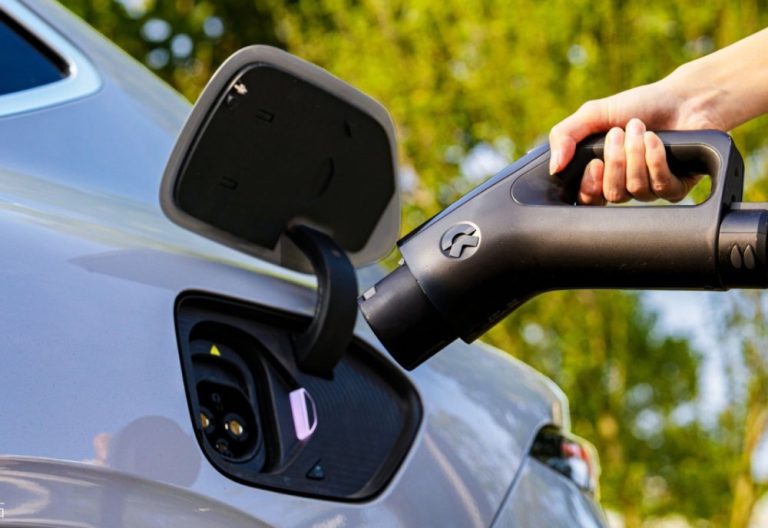
Volkswagen Group’s Spanish unit Seat will go ahead with a project to make electric vehicles and batteries after overcoming initial reservations about government subsidies, it said on Wednesday.
The project, in which 60 other VW Group-linked companies will also take part, foresees an investment of 10 billion euros ($10.06 billion) to electrify Spain’s auto industry and turn the country into a European hub for e-vehicle and battery production.
VW Group said in March that it plans to build a battery cell plant in Sagunto on the outskirts of Valencia with about 3,000 employees and a production of 40 gigawatt hours (GWh) a year.
Starting in 2026, the battery factory will supply cells to car plants in Martorell and Pamplona. The factories will build electric small cars for VW Group brands.

 Hani Joudi