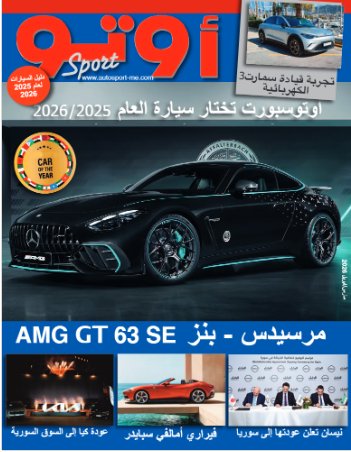
Mercedes-Benz Group and Volkswagen Group signed deals with the Canadian government to secure access to Canada’s large stores of key battery materials such as lithium, cobalt, nickel and graphite, as the German companies compete for scarce supplies of raw materials with other automakers shifting to electric vehicles.
Markus Schaefer, chief technology officer at Mercedes-Benz, and Volkswagen CEO Herbert Diess, who will leave his post Sept. 1, each signed a memorandum of understanding with François-Philippe Champagne, federal Minister of innovation, science and industry, in Toronto Tuesday morning.
The signing of the pair of battery value chain collaboration agreements followed comments from Canadian Prime Minister Justin Trudeau and German Chancellor Olaf Scholz about the need for greater Canadian-German collaboration as global unrest roils traditional supply chains.
“What we are experiencing right now is a perfect storm — a multitude of overlapping and mutually reinforcing global crises,” Scholz said at the event hosted by the Canadian-German Chamber of Industry and Commerce. He pointed specifically to Russia’s invasion of Ukraine and its ripple effects on the energy and resource sectors.
 Hani Joudi